Cloud payroll platform transforming modern business

Cloud-Based Payroll Software

Cloud payroll platform is revolutionizing the way businesses manage their payroll processes, introducing efficiency and flexibility that traditional systems simply can’t match. As companies increasingly shift to digital solutions, understanding the benefits and features of cloud payroll becomes essential for staying competitive.

This innovative approach not only simplifies payroll management but also enhances integration with accounting and HR systems, making it a crucial tool for modern organizations. From improved compliance to streamlined operations, cloud payroll platforms offer a comprehensive solution that can adapt to the unique needs of various industries.

Introduction to Cloud Payroll Platforms

Cloud payroll platforms represent a modern solution for managing payroll processes through internet-based systems. In today’s fast-paced business environment, these platforms are significant as they offer flexibility, accessibility, and real-time updates, which traditional payroll methods struggle to provide. By leveraging cloud technology, businesses can streamline their payroll operations, ensuring accuracy and compliance while saving valuable time.The advantages of using cloud solutions for payroll management are numerous.

First, they allow for automatic updates to tax laws and regulations, which reduces the risk of compliance issues. Additionally, cloud payroll systems often come with user-friendly interfaces that make it easy for employees to access their pay information and for HR departments to manage payroll efficiently. Key features that distinguish cloud payroll platforms from traditional systems include automated reporting, mobile access, and integration capabilities with other business applications.

Business Accounting and Cloud Payroll Integration
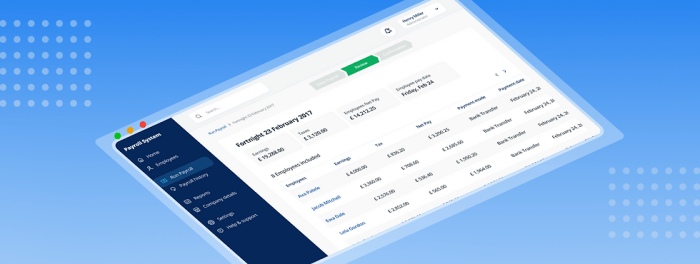
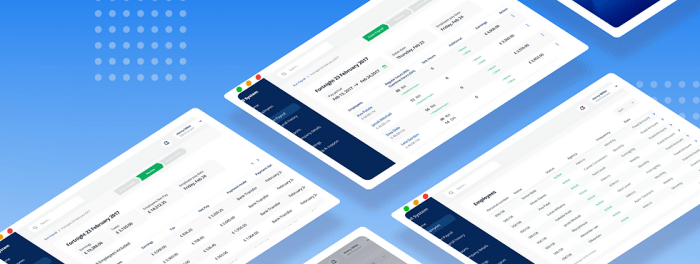
The top 8 benefits of using cloud-based payroll software | Remote

Integrating cloud payroll platforms with business accounting processes can significantly streamline operations. This integration allows for seamless data transfer between payroll and accounting software, reducing manual entry and the potential for errors. For instance, popular payroll solutions like Gusto and QuickBooks Payroll offer robust integrations that help businesses maintain accurate financial records.The impact of automated payroll calculations on financial accuracy cannot be overstated.

By automating these processes, businesses ensure that payroll calculations are precise, timely, and in compliance with current regulations, thereby enhancing overall financial integrity.

Human Resources and Employee Management

HR departments greatly benefit from implementing cloud payroll platforms, as these systems simplify the management of employee records and compliance issues. With features that centralize data storage, HR teams can easily track employee information, benefits, and tax withholdings. When comparing traditional payroll methods to cloud-based HR management tools, it’s clear that the latter provides greater efficiency and reliability. Cloud-based systems allow for real-time updates and access, which is vital for managing a diverse workforce effectively.

Payroll in Business Advertising

For advertising agencies, cloud payroll platforms have significant implications. These solutions address unique payroll challenges, such as fluctuating project budgets and diverse payment schedules for freelancers and contractors. Some specific payroll challenges that cloud solutions can effectively resolve include:

  • Managing multiple payment structures for different types of employees.
  • Ensuring compliance with various labor laws across different locations.
  • Integrating payroll data with project management tools to inform budgeting and resource allocation for advertising campaigns.

Industry-Specific Applications: Agriculture

Cloud payroll platforms provide unique benefits to agricultural businesses, particularly in managing complex payroll scenarios associated with seasonal labor. For instance, farmers can easily adjust payroll based on the labor demands of different seasons, ensuring that workers are compensated accurately.Examples of payroll complexities in the agriculture sector include:

  • Managing varying pay rates for seasonal workers versus permanent staff.
  • Tracking hours worked during busy planting and harvesting seasons.

Cloud solutions offer streamlined processes for these challenges, enhancing overall efficiency in labor management.

Architecture and Interior Design Payroll Solutions

Architecture and interior design firms have unique payroll needs that can be effectively addressed by cloud payroll systems. These firms often operate on project-based billing, requiring precise tracking of employee hours and project costs.Cloud payroll can enhance project-based billing through features that allow for:

  • Tracking time spent on different projects.
  • Automated invoicing based on billable hours.

The impact of payroll on cash flow in design firms is also significant, as timely payments can influence project timelines and client satisfaction.

Business Branding and Payroll System Alignment

Payroll transparency plays a crucial role in enhancing a company’s brand reputation. By aligning payroll practices with overall business branding strategies, organizations can build trust and improve employee satisfaction. Businesses can align their payroll practices by:

  • Ensuring fair pay practices that reflect company values.
  • Communicating payroll policies clearly to employees.

Case studies of brands that improved their image through effective payroll management demonstrate the tangible benefits of this alignment.

Business Travel and Payroll Tracking

Cloud payroll platforms assist businesses in managing travel-related expenses efficiently. By integrating payroll with travel and expense management systems, companies can streamline reimbursement processes for employees.Methods for integrating payroll with travel systems include:

  • Using mobile applications for expense tracking.
  • Linking travel bookings with payroll systems for automatic reimbursement calculations.

The implications of payroll on employee reimbursements during travel highlight the need for accurate tracking and timely payments.

Change Management in Payroll Systems

Implementing a cloud payroll platform requires effective change management strategies to ensure a smooth transition. Organizations may face challenges such as resistance from employees accustomed to traditional systems.A step-by-step guide for effective change management in payroll systems includes:

  • Conducting training sessions for staff.
  • Communicating the benefits of the new system clearly.

Anticipating challenges can lead to a more successful implementation process.

Construction Industry Payroll Management

The construction industry faces specific payroll challenges, such as compliance with labor laws and managing a varied workforce. Cloud payroll platforms can improve compliance by ensuring that all payroll practices meet current regulations.Features particularly beneficial for construction payroll management include:

  • Tools for tracking hours worked on different job sites.
  • Customizable reporting options for subcontractors and employees.

These features enhance overall payroll accuracy and compliance in the construction sector.

Entrepreneurialism and Payroll Flexibility

Startups and entrepreneurs require flexible payroll options that can adapt to their evolving business needs. Cloud payroll platforms offer scalable solutions that grow with the business.Examples of entrepreneurial businesses successfully utilizing cloud payroll include modern tech startups and agile marketing firms that benefit from real-time payroll processing and reporting capabilities.

Business Ethics in Payroll Practices

Ethical considerations in payroll management are critical for maintaining employee trust and satisfaction. Cloud payroll can enhance transparency and accountability by automating processes and providing clear records.Examples of ethical dilemmas related to payroll include misclassification of employees and failure to comply with wage laws. Cloud solutions can help resolve these issues by ensuring accurate tracking and reporting.

Franchising and Payroll Consistency

Cloud payroll platforms provide consistent payroll solutions across franchises, ensuring that all locations comply with local labor laws. Methods to ensure compliance include:

  • Standardizing payroll practices across all franchise locations.
  • Using centralized systems to monitor compliance.

Tools that support multi-location payroll management in franchising can help maintain consistency and accuracy.

Customer Service and Payroll Support

Cloud-Based Payroll Software

In the context of payroll platforms, customer service is paramount. Effective support services play a vital role in resolving payroll-related issues and ensuring smooth operations.Examples of effective customer service practices in payroll solutions include:

  • Responsive support teams available through multiple channels.
  • Comprehensive FAQs and documentation to assist users.

By prioritizing customer service, payroll platforms can enhance user satisfaction and operational efficiency.

Industrial Mechanical Sector’s Payroll Needs

The industrial mechanical sector has unique payroll requirements, including managing specialized labor and compliance with industry regulations. Cloud payroll solutions offer benefits such as:

  • Automated tracking of hours for specialized workers.
  • Custom reporting features for labor costs and compliance audits.

These features cater specifically to the needs of industrial workers, enhancing overall efficiency in payroll management.

Epilogue

In conclusion, embracing a cloud payroll platform is not just a trend, but a strategic move for businesses aiming to optimize their payroll and human resource operations. With its ability to enhance accuracy, ensure compliance, and provide valuable insights, the future of payroll management is undoubtedly in the cloud.

Essential Questionnaire

What is a cloud payroll platform?

A cloud payroll platform is a digital solution that allows businesses to manage payroll processes online, offering features like automated calculations and integration with accounting systems.

How does cloud payroll improve compliance?

Cloud payroll platforms automatically update to adhere to changing labor laws, ensuring that payroll practices remain compliant without manual intervention.

Can small businesses benefit from cloud payroll solutions?

Yes, small businesses can streamline their payroll processes, reduce errors, and save time using cloud payroll solutions that are often more affordable than traditional systems.

What industries can benefit from using cloud payroll?

Industries such as agriculture, construction, and advertising can significantly benefit from cloud payroll, as these sectors often face unique payroll challenges that cloud solutions can effectively address.

Is training required to use a cloud payroll platform?

While some training may be beneficial, most cloud payroll platforms are designed to be user-friendly, allowing users to efficiently navigate the system with minimal guidance.

Payroll tax compliance A guide for businesses

Payroll - Free of Charge Creative Commons Highway Sign image

Payroll tax compliance is a critical aspect of running a successful business, ensuring that all payroll-related obligations are met in accordance with federal, state, and local regulations. Navigating the complexities of payroll taxes can seem daunting, but understanding the nuances can save businesses from costly penalties and legal issues.

In this overview, we’ll explore the various components of payroll tax compliance, including calculation methods, reporting requirements, and the role of technology in streamlining these processes. By delving into common pitfalls and best practices, businesses can foster a culture of compliance that supports their overall financial health.

Understanding Payroll Tax Compliance

Payroll tax compliance is a crucial aspect for businesses, ensuring that they meet their tax obligations to avoid penalties and maintain their reputation. Compliance not only involves understanding the laws but also ensuring that payroll taxes are calculated accurately and reported timely. This entails navigating a complex framework of requirements set forth by federal, state, and local governments.

Payroll Tax Requirements

Businesses must comply with various payroll tax requirements at multiple levels of government. These include:

  • Federal Payroll Taxes: Employers are responsible for withholding federal income tax, Social Security tax, and Medicare tax from employees’ wages. Additionally, employers must match the Social Security and Medicare taxes they withhold.
  • State Payroll Taxes: Each state has its own income tax regulations, which may require employers to withhold state income tax from employees. States may also impose unemployment taxes.
  • Local Payroll Taxes: Some municipalities impose local taxes that employers must withhold as well, adding another layer of compliance.

Common Compliance Pitfalls

Businesses often face several pitfalls in payroll tax compliance:

  • Misclassification of Employees: Incorrectly classifying employees as independent contractors can lead to significant tax liabilities.
  • Late Filings: Missing deadlines for payroll tax filings can result in hefty penalties.
  • Lack of Documentation: Failing to keep accurate records can complicate audits and compliance verification.

Payroll Tax Calculation Methods

Accurate payroll tax calculations are essential to ensure compliance and financial stability for any business. The methods used to calculate payroll taxes can significantly impact a company’s bottom line and help avoid costly errors.

Processes for Calculating Payroll Taxes

The payroll tax calculation process typically involves:

  • Determining Gross Pay: Calculate the total earnings of an employee, including salary, overtime, and bonuses.
  • Calculating Deductions: Identify and compute all applicable deductions, including federal, state, and local taxes, as well as employee benefits.
  • Applying Rates: Utilize current tax rates to calculate the total amount of payroll taxes owed.

Tools and Software for Payroll Calculations

Many businesses utilize various tools and software to streamline the payroll tax calculation process. Popular solutions include:

  • Payroll Software: Comprehensive software packages that automate calculations and ensure compliance with tax regulations.
  • Accounting Software: Systems like QuickBooks or Xero that integrate payroll functionality.
  • Custom Spreadsheets: For smaller businesses, tailored spreadsheets can help track payroll calculations effectively.

Manual versus Automated Calculations

When comparing manual payroll tax calculations with automated systems, the distinctions are notable:

  • Manual Calculations: Time-consuming and prone to human error, requiring meticulous attention to detail.
  • Automated Systems: Enhance efficiency, reduce errors, and ensure compliance with the latest tax laws through automatic updates.

Payroll Tax Reporting Requirements

Regular payroll tax reporting is essential for maintaining compliance with tax laws. Businesses must be aware of the necessary forms and deadlines to avoid penalties.

Essential Payroll Tax Forms

Key payroll tax forms that businesses must file include:

  • Form 941: Used to report income taxes, Social Security taxes, and Medicare taxes withheld from employees.
  • Form 940: This form is filed annually to report Federal Unemployment Tax (FUTA).
  • State-Specific Forms: Each state may have its own forms that must be submitted regularly.

Timelines and Deadlines

Adhering to strict timelines is crucial. Businesses need to note:

  • Quarterly Filings: Most businesses must file Form 941 on a quarterly basis.
  • Annual Filings: Form 940 is due annually by January 31st.

Consequences of Non-Compliance

Failing to meet payroll tax reporting requirements can lead to serious repercussions:

  • Financial Penalties: Late filings can incur significant fines and interest on unpaid taxes.
  • Legal Issues: Continued non-compliance can lead to audits and legal action.

Impact of Payroll Tax Compliance on Business Accounting

Payroll tax compliance plays a vital role in a company’s overall accounting practices. Understanding this relationship is essential for smooth financial operations.

Integration with Business Accounting Practices

Payroll tax compliance must be aligned with business accounting to ensure:

  • Accurate Financial Statements: Payroll expenses should be correctly reflected in financial reports.
  • Budgeting: Understanding payroll liabilities aids in accurate financial forecasting.

Reconciling Payroll Tax Accounts

To maintain compliance, businesses should regularly reconcile payroll tax accounts. This involves:

  • Verifying Deductions: Ensuring all payroll deductions match reported figures.
  • Reviewing Tax Payments: Confirming that all required taxes have been remitted on time.

Importance of Record-Keeping

Effective record-keeping is crucial in payroll tax compliance. Companies should maintain:

  • Employee Records: Accurate records of employee classifications and payments.
  • Tax Documentation: All tax filings and correspondence with tax authorities must be retained for reference.

Human Resources and Payroll Tax Compliance

The Human Resources (HR) department plays a pivotal role in ensuring payroll tax compliance. This responsibility includes maintaining accurate employee records and staying updated on tax regulations.

Role of HR in Compliance

Journal on Product Design and Development: SuccessFactors Employee ...

HR professionals are instrumental in achieving payroll tax compliance by:

  • Employee Classification: Ensuring proper classification helps mitigate tax liabilities.
  • Training Staff: HR should equip staff with knowledge on payroll tax issues.

Training Programs for HR Staff

Implementing training programs for HR staff can enhance compliance efforts:

  • Workshops: Conducting workshops on payroll tax regulations helps keep the team informed.
  • Online Courses: Utilizing e-learning platforms to disseminate crucial compliance information.

Best Practices for Employee Classification

Proper employee classification is a foundational aspect of payroll tax compliance. Best practices include:

  • Regular Reviews: Frequent assessments of employee classifications ensure accuracy.
  • Clear Policies: Establishing clear policies on employee versus contractor classifications.

Challenges in Payroll Tax Compliance for Different Industries

Each industry faces unique challenges related to payroll tax compliance, which can complicate compliance efforts.

Payroll Tax Challenges in the Construction Industry

The construction industry often faces challenges such as:

  • Variable Work Hours: Fluctuating hours can complicate payroll calculations.
  • Multiple Tax Jurisdictions: Working in different locations may subject employees to various tax regulations.

Payroll Tax Considerations in the Agricultural Sector

In the agricultural sector, businesses must consider:

  • Seasonal Employment: Payroll tax calculations may vary significantly due to seasonal work.
  • Special Tax Programs: Some farmers may qualify for specific tax incentives and exemptions.

Payroll Tax Compliance in Advertising and Marketing

The advertising and marketing sectors also encounter distinct payroll tax compliance challenges, including:

  • Freelancers and Contractors: Frequent use of freelancers complicates payroll tax reporting.
  • Commission Structures: Variable pay structures can lead to confusion in tax calculations.

Business Consulting for Payroll Tax Compliance

Engaging with business consultants can provide significant advantages for companies looking to improve their payroll tax compliance.

Role of Business Consultants

Consultants specializing in payroll tax compliance can assist companies by:

  • Identifying Gaps: Analyzing current processes to identify compliance deficiencies.
  • Implementing Solutions: Providing actionable strategies to enhance compliance efforts.

Case Studies in Payroll Tax Management

Numerous case studies highlight the benefits of consulting:

  • Case Study 1: A mid-sized manufacturer improved compliance efficiency by adopting consultant-recommended software.
  • Case Study 2: A retail chain reduced penalties by re-evaluating its employee classification system with the help of a consultant.

Selecting an Effective Consultant

When choosing a payroll tax compliance consultant, businesses should consider:

  • Experience: Look for consultants with proven track records in payroll tax compliance.
  • References: Seek referrals from other businesses within your industry.

Technology and Payroll Tax Compliance

Innovative technologies are transforming the landscape of payroll tax compliance, making processes more efficient and accurate.

Innovative Technologies in Payroll Tax Compliance

Emerging technologies include:

  • Cloud-Based Solutions: Allow businesses to manage payroll and taxes remotely, reducing the risk of data loss.
  • AI and Machine Learning: These technologies can analyze payroll data to identify compliance issues proactively.

Payroll Systems with Tax Compliance Features

Several payroll systems now incorporate tax compliance features:

  • ADP: Offers comprehensive payroll and tax services in one platform.
  • Paychex: Provides tools that automatically update for changing tax laws.

The Future of Payroll Tax Compliance

As technology evolves, the future of payroll tax compliance looks promising with:

  • Increased Automation: Expect greater automation of tax calculations and reporting processes.
  • Integration of Blockchain: Blockchain could enhance transparency and security in payroll tax processes.

Best Practices for Payroll Tax Compliance

Implementing best practices for payroll tax compliance is fundamental for businesses aiming to avoid penalties and streamline operations.

Best Practices for Ensuring Compliance

Key practices include:

  • Regular Training: Keeping staff updated on tax regulations through ongoing training sessions.
  • Utilizing Checklists: Employing comprehensive checklists ensures all compliance aspects are covered.

Importance of Regular Audits

Conducting regular audits can help maintain compliance by:

  • Identifying Errors: Spotting mistakes before they lead to penalties or fines.
  • Ensuring Accuracy: Regular checks help maintain the integrity of payroll processes.

Implementing a Culture of Compliance

Fostering a culture of compliance within a business involves:

  • Leadership Commitment: Ensuring management prioritizes compliance in business operations.
  • Employee Engagement: Involving all employees in compliance efforts through training and awareness programs.

Global Payroll Tax Compliance Considerations

For companies operating internationally, understanding global payroll tax compliance is essential to avoid potential legal issues.

Challenges for International Businesses

Businesses face several challenges when navigating global payroll tax compliance:

  • Diverse Regulations: Each country has its own tax laws, which can vary significantly.
  • Currency Exchange Rates: Fluctuating rates can impact payroll calculations and tax liabilities.

Approaches to Global Payroll Tax Compliance

Different countries adopt various approaches to payroll tax compliance:

  • Country-Specific Regulations: Some countries have unique requirements for foreign workers.
  • Tax Treaties: International agreements may affect how payroll taxes are enforced.

Strategies for Navigating Regulations

To effectively manage international payroll tax compliance, businesses should consider:

  • Consulting Local Experts: Engaging local tax professionals can provide valuable insights into specific requirements.
  • Leveraging Technology: Utilizing global payroll solutions can simplify compliance across multiple jurisdictions.

Last Word

Payroll - Free of Charge Creative Commons Highway Sign image

In conclusion, grasping the intricacies of payroll tax compliance is essential for any business aiming to maintain its integrity and financial stability. By implementing best practices and leveraging technology, companies can navigate the payroll tax landscape with confidence, ultimately enhancing their operational efficiency and safeguarding against compliance-related challenges.

Detailed FAQs

What is payroll tax compliance?

Payroll tax compliance refers to the adherence to tax laws and regulations governing payroll taxes, which must be paid by employers and employees.

Why is payroll tax compliance important?

It prevents legal penalties, ensures accurate tax payments, and maintains the integrity and reputation of the business.

What are the common mistakes in payroll tax compliance?

Common mistakes include misclassifying employees, failing to keep accurate records, and missing filing deadlines.

How often do payroll taxes need to be reported?

Payroll taxes usually need to be reported and paid on a regular basis, which can be weekly, biweekly, or monthly, depending on the size and structure of the business.

Can technology help with payroll tax compliance?

Yes, various payroll software and tools are designed to automate tax calculations, ensure accurate reporting, and help maintain compliance with evolving regulations.

Payroll accounting software Streamlining Your Business

รูปภาพ : วันหยุดสุดสัปดาห์, เงินเดือน, เคาน์เตอร์, ธุรกิจ, การเฉลิมฉลอง ...

Payroll accounting software has become an essential tool for businesses seeking to streamline their payroll processes and ensure compliance with regulations. This software not only automates payroll calculations but also enhances accuracy, saving valuable time and resources.

In today’s fast-paced business environment, understanding the capabilities and benefits of payroll accounting software is crucial. From improving efficiency to simplifying compliance with labor laws, this technology is pivotal in managing a company’s payroll needs effectively.

Overview of Payroll Accounting Software

Payroll accounting software is an essential tool designed to automate the payroll process for businesses of all sizes. It enables organizations to manage employee compensation, including salaries, bonuses, deductions, and taxes efficiently. With built-in compliance features, this software ensures that businesses adhere to labor laws and tax regulations, significantly reducing the risk of errors and penalties. The primary functions of payroll accounting software include calculating employee wages, withholding taxes, managing direct deposits, and generating payroll reports.

Features such as employee self-service portals allow staff to access payslips and tax documents, while integration capabilities with other accounting systems streamline financial operations. The importance of payroll accounting in business operations cannot be overstated. It not only affects employee satisfaction but also impacts the overall financial health of a company.

Benefits of Using Payroll Accounting Software

Implementing payroll accounting software offers a myriad of advantages for businesses. Firstly, it enhances accuracy and efficiency in payroll management. Automated calculations minimize the chances of human error that can lead to costly mistakes. Secondly, by reducing the time spent on payroll processing, businesses can allocate resources to other critical areas, thereby improving overall productivity. In terms of cost savings, businesses can experience significant reductions in administrative expenses.

The software’s ability to manage various payroll tasks without extensive manual input allows companies to save on labor costs associated with payroll processing.

Key Features to Look for in Payroll Accounting Software

When selecting payroll accounting software, businesses should consider several essential features to ensure optimal performance.

  • Automated Tax Calculation: This feature ensures accurate tax deductions based on current regulations.
  • Direct Deposit Capabilities: Allowing employees to receive payments directly to their bank accounts enhances convenience.
  • Employee Self-Service Portal: Employees can access their payroll information, reducing the need for administrative inquiries.
  • Integration Options: The ability to integrate with accounting and HR systems facilitates seamless data management.
  • Custom Reporting: Tailored reports help businesses analyze payroll data effectively for better decision-making.

Different features cater to various business sizes and industries. For instance, small businesses may prioritize affordability and user-friendly interfaces, while larger enterprises might need advanced reporting and compliance tools. Software solutions like Gusto, ADP, and QuickBooks Payroll exemplify these features effectively.

Integration with Business Accounting Systems

Payroll accounting software can integrate seamlessly with general business accounting systems, which is crucial for maintaining accurate financial records. This integration allows for real-time data synchronization between payroll and accounting functions, leading to enhanced financial reporting and data accuracy.The impact of seamless integration is profound; it reduces discrepancies in financial reporting and ensures that all departments are aligned with the latest payroll data.

Common accounting software that works well with payroll solutions includes QuickBooks, Xero, and Sage.

Compliance and Regulatory Considerations

Compliance requirements related to payroll processing are critical for businesses to understand. Payroll accounting software assists organizations in maintaining compliance with labor laws and tax regulations by automating tax calculations and generating necessary compliance reports.Best practices for ensuring ongoing compliance using payroll software include regularly updating the software to reflect changes in tax laws, conducting periodic audits of payroll data, and utilizing user training sessions to educate staff about compliance protocols.

Industry-Specific Payroll Software Solutions

Certain payroll accounting software is tailored for specific industries such as agriculture, construction, and healthcare. These solutions address unique payroll needs, providing functionalities like project-based pay calculations for construction workers or compliance tracking for healthcare professionals.Comparing industry-specific offerings with general payroll software solutions reveals that specialized software often offers deeper insights and functionalities suited to the intricacies of each sector, such as union reporting in construction or overtime calculations in healthcare.

User Experience and Accessibility

User-friendly interfaces in payroll accounting software play a vital role in ensuring that employees can navigate the system with ease. Accessibility features, such as mobile compatibility and multi-language support, enhance usability for a diverse workforce, allowing employees to manage their payroll tasks conveniently.Examples of software known for their exceptional user experience design include Gusto and Paychex, which prioritize intuitive navigation and helpful guides.

Cost Considerations and Pricing Models

Payroll - Highway image

Various pricing models are available for payroll accounting software, and understanding these can help businesses make informed decisions. Factors influencing the cost include the number of employees, the complexity of payroll needs, and the range of features included.Businesses can choose between subscription-based and one-time purchase options. Subscription-based models often come with ongoing updates and support, while one-time purchases may require additional fees for upgrades and support services.

The Role of Payroll Software in Change Management

Payroll accounting software can significantly facilitate change management within an organization. Features that support training and transition processes for new payroll systems include tutorial resources and customer support options that guide users through the adoption phase.Successful change management stories involving payroll software demonstrate how organizations can adapt to new systems with minimal disruption, often resulting in improved efficiency and morale.

Future Trends in Payroll Accounting Software

Emerging trends and technologies are set to impact payroll accounting software significantly. The potential influence of artificial intelligence and automation could lead to further enhancements in payroll processes, such as predictive analytics for payroll forecasting.Businesses can prepare for future advancements by investing in scalable payroll software solutions and staying informed about emerging technologies that can streamline payroll operations.

Human Resources and Payroll Integration

The relationship between payroll accounting software and human resources management systems is crucial for effective employee data management. Integrated systems improve payroll accuracy by ensuring that employee information is consistent across platforms.Examples of HR software that pairs well with payroll accounting systems include BambooHR and Workday, which enable seamless data sharing and enhance overall HR functionality.

Customer Service and Support for Payroll Software

รูปภาพ : วันหยุดสุดสัปดาห์, เงินเดือน, เคาน์เตอร์, ธุรกิจ, การเฉลิมฉลอง ...

Customer support plays a significant role in the selection of payroll accounting software. Evaluating the quality of customer service provided by software vendors is essential for ensuring that businesses receive timely assistance when issues arise.Companies known for exceptional customer support in payroll software include ADP and Zenefits, which offer robust support channels and resources for users.

Case Studies of Successful Payroll Software Implementation

Exploring case studies of businesses that successfully implemented payroll accounting software reveals valuable insights. These case studies often highlight the challenges faced during implementation, such as resistance to change or data migration issues, and how these challenges were overcome.Measurable outcomes post-implementation frequently include reduced payroll processing times, improved accuracy, and enhanced employee satisfaction, showcasing the transformative potential of payroll software in business environments.

Entrepreneurial Considerations for Choosing Payroll Software

Startups and small businesses have specific needs regarding payroll software, often prioritizing ease of use and affordability. Entrepreneurs should assess their payroll software options with a checklist that includes features, scalability, and customer support.As businesses grow, scaling payroll solutions becomes essential. Choosing a flexible payroll system that can adapt to increasing employee numbers and evolving needs is critical for sustained success.

Final Conclusion

In conclusion, adopting payroll accounting software can significantly transform how businesses handle their payroll operations, leading to better accuracy, efficiency, and compliance. As technology continues to evolve, staying informed about advancements in payroll solutions will ensure that companies remain competitive and agile in their management practices.

Commonly Asked Questions

What is payroll accounting software?

Payroll accounting software automates the process of calculating salaries, taxes, and deductions while ensuring compliance with labor laws.

How does payroll software improve accuracy?

By automating calculations and reducing manual entry, payroll software minimizes errors and ensures precise payroll processing.

Can payroll software be integrated with other systems?

Yes, many payroll software solutions can seamlessly integrate with accounting systems and HR management platforms to streamline operations.

What pricing models are common for payroll software?

Common pricing models include subscription-based plans and one-time purchase options, each catering to different business needs.

Is payroll software suitable for small businesses?

Absolutely! Many payroll software options are specifically designed to meet the needs of small businesses, providing scalable solutions as they grow.