Brand strategy consultants shaping business success

Brand strategy consultants play a pivotal role in today’s competitive business landscape, acting as the architects of a company’s identity and messaging. By leveraging their expertise, they guide organizations in crafting a compelling brand narrative that resonates with their target audience.

From understanding market dynamics to aligning branding efforts with overall business goals, these professionals possess a unique skill set that enables them to drive brand transformation. Their insights not only enhance brand visibility but also foster customer loyalty, making them indispensable partners for companies aiming to thrive in their respective industries.

Understanding Brand Strategy Consultants

Brand strategy consultants play a vital role in shaping the identity and direction of businesses. Their primary responsibility revolves around analyzing a company’s current branding approach, identifying market opportunities, and developing strategic plans that enhance brand visibility and alignment with consumer expectations.

Role and Responsibilities

Brand strategy consultants are tasked with conducting in-depth research to understand market trends, target audiences, and competitive landscapes. They utilize this information to craft strategic recommendations that help businesses position themselves effectively in their respective markets. For instance, a brand strategy consultant might work with a startup to establish a cohesive brand identity that resonates with its target demographic.

Examples of Transformation

Numerous companies have experienced remarkable transformations through the guidance of brand strategy consultants. A notable example is how a well-known beverage company revamped its branding strategy, shifting from a traditional marketing approach to a more digital-focused strategy. This shift not only increased its market share but also enhanced its engagement with younger consumers, leading to a significant boost in overall sales.

Skills Required

To be effective, brand strategy consultants must possess a blend of analytical, creative, and interpersonal skills. Key skills include:

  • Market research proficiency to gauge consumer behavior.
  • Creative thinking for innovative brand positioning.
  • Strong communication skills to articulate brand strategies clearly.
  • Project management capabilities to oversee the implementation of branding initiatives.

Importance of Brand Strategy

A strong brand strategy is crucial for business success, as it directly influences customer perception and loyalty. Companies that have well-defined brand strategies can navigate competitive markets more effectively, leading to sustained growth and profitability.

Impact on Business Success

The impact of a robust brand strategy can be seen in a company’s ability to command premium pricing, attract top talent, and foster customer loyalty. In contrast, brands without a clear strategy often struggle with inconsistent messaging and market positioning, resulting in diminished consumer trust and recognition.

Comparison of Brands

Effects of Brand Quality, Brand Prestige on Brand Purchase Intention of ...

Brands with a clear strategy exhibit coherence across all marketing channels, while those lacking one may send mixed messages that confuse potential customers. For example, a technology brand that emphasizes innovation and quality in its advertising will likely see better engagement compared to one whose messaging is sporadic and unfocused.

Key Components

An effective brand strategy comprises several essential components:

  • Brand Purpose: A clear understanding of why the brand exists.
  • Target Audience: Identification of the specific demographics the brand aims to serve.
  • Brand Positioning: Establishment of a unique market position that differentiates the brand from competitors.
  • Brand Voice: A consistent tone and communication style that resonates with the audience.

Aligning Brand Strategy with Business Goals

Aligning brand strategy with overarching business objectives is fundamental for achieving long-term success. A well-aligned strategy ensures that all branding efforts contribute toward the larger goals of the organization.

Integration with Business Objectives

Brand strategy should be developed in tandem with business objectives to create a cohesive vision. This integration helps ensure that every marketing effort is directed toward achieving the same goals, such as increasing revenue, expanding market presence, or improving customer satisfaction.

Integrating Brand Values

Methods for embedding brand values into business operations include:

  • Incorporating brand values into employee training programs.
  • Aligning product development with the brand’s mission and vision.
  • Utilizing customer feedback to refine brand messaging and offerings.

Case Studies

A well-known retail company successfully aligned its brand strategy with its sustainability goals, launching a series of eco-friendly products that resonated with environmentally conscious consumers. This alignment not only enhanced customer loyalty but also positioned the brand as a leader in sustainable practices within the industry.

Business Branding Techniques

Innovative branding techniques are paramount for companies aiming to stand out in competitive markets. Effective branding requires a strategic approach that encompasses a variety of techniques.

Innovative Branding Techniques

Successful companies employ a range of branding techniques to enhance their visibility and engagement:

  • Storytelling: Using narrative to create emotional connections with consumers.
  • Influencer Partnerships: Collaborating with key influencers to broaden reach.
  • Experiential Marketing: Creating memorable experiences that engage customers directly.

Developing Brand Identity

The process of developing a brand identity involves several stages:

  • Research: Understanding the market and customer preferences.
  • Concept Development: Crafting visual elements and messaging that convey the brand’s essence.
  • Implementation: Launching the brand identity across all platforms consistently.

Consistency in Branding

Maintaining consistency across various platforms is essential for brand recognition. Inconsistent branding can lead to customer confusion and damage the brand’s credibility. Companies must ensure that their branding elements, such as logos, color schemes, and messaging, are uniform across all touchpoints.

Brand Strategy in Different Industries

Brand strategy approaches differ significantly across various sectors, each facing unique challenges and opportunities. Understanding these differences is key for effective brand management.

Sector Comparisons

For instance, the brand strategy in the agriculture sector often focuses on sustainability and community impact, while the construction industry may emphasize reliability and safety. In contrast, advertising firms usually prioritize creativity and innovation.

Tailoring Advice for Industries

Brand strategy consultants tailor their advice based on the specific needs and challenges of each sector. For example, in technology, the focus might be on rapid innovation cycles, while in healthcare, the emphasis may be on trust and patient-centered messaging.

Challenges in Different Fields

Consultants face unique challenges in various fields, such as regulatory constraints in healthcare or fluctuating consumer trends in fashion. These challenges require adaptive strategies that can evolve with market demands.

The Role of Business Consulting in Brand Strategy

Business consultants contribute significantly to the development of brand strategies, helping organizations integrate branding into their overall business models.

Contribution to Strategy Development

Business consultants bring analytical insights that complement creative branding efforts. They analyze market trends, assess competitive dynamics, and offer strategic recommendations that support branding initiatives.

Interplay Between Services

Brand strategy and business consulting services often intersect, with branding being a crucial component of overall business strategy. This integration ensures that branding efforts align with broader business objectives and operational efficiencies.

Integrated Projects

An example of an integrated project includes a retail chain that partnered with consultants to enhance its supply chain efficiency while simultaneously rebranding. This holistic approach resulted in improved operational performance and a refreshed brand image that attracted new customers.

Human Resources and Brand Strategy

Obelunrp Pouf Ottoman Cover, 80cm Boho Mandala Pouf Cover, Round Floor ...

Human Resources (HR) plays a critical role in reinforcing brand strategies within an organization. HR practices should align with brand values to enhance employee engagement and brand loyalty.

Reinforcing Brand Strategy

HR can reinforce brand strategy through practices such as:

  • Recruiting employees who embody the brand’s values.
  • Implementing training programs that align with brand messaging.
  • Encouraging employee advocacy as brand ambassadors.

Importance of Employee Engagement

Employee engagement is crucial for brand building because engaged employees are more likely to represent the brand positively. Companies that prioritize engagement often see improved customer service and brand loyalty.

Aligning HR Policies

Aligning HR policies with brand values can be achieved through:

  • Creating a mission statement that reflects brand values.
  • Designing performance metrics that reward brand-aligned behaviors.
  • Fostering a workplace culture that embodies the brand’s identity.

Change Management and Brand Strategy

Change management is essential when implementing brand strategies, as organizational changes can significantly impact brand perception.

Role in Implementation

Successfully navigating change requires a clear understanding of how changes affect brand integrity. Organizations must communicate changes transparently to maintain trust and credibility among stakeholders.

Navigating Organizational Change

Maintaining brand integrity during organizational change involves:

  • Ensuring consistent messaging throughout the transition.
  • Engaging employees in the change process to foster buy-in.
  • Monitoring feedback to address concerns promptly.

Successful Transitions

A notable example of a successful brand strategy transition occurred when a major tech company restructured its internal teams to better align with customer needs while simultaneously refreshing its brand image. This strategic alignment resulted in increased customer satisfaction and loyalty.

Ethical Considerations in Brand Strategy

Ethical branding is increasingly important in today’s market, as consumers are more aware and concerned about corporate responsibility.

Importance of Ethical Branding

Ethical branding involves promoting honesty, transparency, and accountability. Brands that adhere to ethical standards often foster stronger relationships with their customers, leading to increased trust and loyalty.

Common Ethical Dilemmas

Brand strategy consultants often face ethical dilemmas, such as balancing profit motives with social responsibility. For instance, companies may struggle with the decision to cut costs at the expense of sustainable practices.

Best Practices for Ethical Standards

To maintain ethical standards in branding, companies should:

  • Establish a clear code of ethics that guides brand decisions.
  • Regularly assess the impact of branding practices on stakeholders.
  • Engage in open dialogue with customers about brand values and commitments.

Future Trends in Brand Strategy Consulting

The landscape of brand strategy consulting is continuously evolving, influenced by technological advancements and shifting consumer expectations.

Emerging Trends

Some emerging trends shaping the future of brand strategy consulting include:

  • Increased focus on personalized customer experiences.
  • Greater integration of artificial intelligence in branding strategies.
  • Heightened emphasis on sustainability and social responsibility in branding efforts.

Technological Advancements

Technological advancements, such as data analytics and machine learning, are transforming how brands understand consumer behavior and tailor their strategies accordingly. This capability enables brands to create more targeted and effective marketing campaigns.

Predictions for Brand Strategy Evolution

As the market continues to evolve, brand strategy is expected to become more dynamic and responsive to real-time consumer feedback and trends. Companies that embrace these changes will likely thrive in an increasingly competitive landscape.

Summary

In summary, the work of brand strategy consultants extends far beyond mere marketing tactics; they are essential in establishing a brand’s essence and ensuring it aligns with business objectives. As the market continues to evolve, the expertise of these consultants will remain crucial in navigating the complexities of brand management and fostering sustainable growth.

Top FAQs

What exactly do brand strategy consultants do?

They help businesses develop and implement effective brand strategies to enhance visibility and engagement.

How can a brand strategy consultant benefit my business?

They provide expert insights and tailored strategies, helping to align branding efforts with your business goals, thus driving growth and customer loyalty.

What industries do brand strategy consultants work with?

They work across various sectors including retail, technology, healthcare, and more, offering tailored advice for unique industry challenges.

How long does it take to see results from brand strategy consulting?

Results can vary based on the strategy implemented, but many businesses start to see improvements in brand recognition and customer engagement within a few months.

Are brand strategy consultants affordable for small businesses?

Many consultants offer scalable services, allowing small businesses to access expert advice that fits their budget.


Emotional branding connection enhancing customer loyalty

How To Leverage The Power Of Emotional Branding - Work It Daily

Emotional branding connection is a powerful strategy that resonates deeply with consumers, shaping their perceptions and loyalty toward brands. By tapping into emotions, businesses can create meaningful experiences that go beyond mere transactions.

This approach not only influences consumer decisions but also establishes lasting relationships that are essential in today’s competitive market. Successful brands leverage emotional branding to connect with their audience on a personal level, fostering loyalty that translates into long-term success.

Emotional Branding Connection

Emotional branding is a marketing strategy that focuses on creating a deep emotional connection between a brand and its customers. This approach is significant in building customer loyalty, as it goes beyond the traditional aspects of brand loyalty rooted in product quality or price. Instead, emotional branding taps into the feelings and experiences associated with a brand, making it memorable and relatable.The role of emotions in consumer decision-making processes is paramount.

Customers often make purchasing decisions based on how a brand makes them feel, rather than just the functional benefits of a product. For instance, a consumer may choose a particular beverage because it reminds them of happy moments spent with friends, rather than simply because it quenches their thirst. Brands that effectively evoke emotions can foster stronger connections, leading to repeat purchases and recommendations.

Examples of Successful Emotional Branding Strategies

Emotional branding: What is it?, What is it for?, benefits ️ Postposmo ...

Many well-known brands have successfully employed emotional branding strategies. Notable examples include:

  • Coca-Cola: Their “Share a Coke” campaign created a personal connection by featuring popular names on their bottles, encouraging consumers to seek out their own names and share moments with friends and family.
  • Apple: Apple focuses on innovation and creativity, appealing to consumers’ aspirations and identity. Their advertising often showcases how products can enhance personal experiences and foster creativity.
  • Nike: Through their “Just Do It” campaign, Nike inspires consumers by promoting empowerment and motivation, connecting emotionally with athletes and fitness enthusiasts.

Business Accounting

Emotional branding significantly affects financial performance and profitability. When consumers feel a strong connection to a brand, they are more likely to become repeat buyers, thus positively impacting sales and revenue. Additionally, emotionally connected customers often exhibit a willingness to pay premium prices for brands they trust and admire.To measure the effectiveness of emotional branding in accounting reports, companies can implement various methods, including customer satisfaction surveys, brand loyalty metrics, and emotional response analyses.

These indicators provide insights into how emotional connections influence purchasing behavior and customer retention.

Influence of Emotional Branding on Accounting Practices

Emotional branding can also influence accounting practices and financial forecasting. Companies that prioritize emotional connections may need to adjust their budgeting to allocate resources for branding initiatives. This includes spending on marketing campaigns that evoke emotional responses and enhancing customer experience, which can lead to long-term financial benefits.

Accounting Payroll

Emotional branding enhances employee engagement and retention. When employees feel emotionally connected to their organization, they are more likely to be motivated, loyal, and productive. This connection can translate into reduced turnover rates and increased job satisfaction.To integrate emotional branding within payroll communication and practices, organizations can adopt strategies such as personalized pay statements, recognition programs, and transparent communication about compensation.

By framing payroll information in a way that resonates with employees’ values and aspirations, companies can strengthen their emotional brand internally.

Implications of Emotional Branding on Employee Satisfaction

The implications of emotional branding on employee satisfaction and productivity are profound. Employees who resonate with their organization’s values are more likely to feel fulfilled in their roles, leading to higher levels of productivity and collaboration. When companies foster an emotional brand that aligns with employees’ personal beliefs, they create a more committed workforce.

Business Advertising

Creating advertising campaigns that evoke emotional connections with consumers requires a deep understanding of the target audience’s feelings and experiences. Effective advertisements often tell compelling stories that resonate with viewers on a personal level.

Examples of Advertisements Leveraging Emotional Branding

Several advertisements have successfully leveraged emotional branding, including:

  • Google: Their “Year in Search” campaign highlights human experiences, evoking nostalgia and connection by celebrating the moments that define people’s lives.
  • Extra Gum: The campaign featuring a couple’s love story over time effectively showcases the emotional value of ordinary moments, creating a powerful connection with viewers.
  • Always: The “Like a Girl” campaign challenged stereotypes while empowering young girls, creating an emotional dialogue about gender equality.

Analyzing the Emotional Impact of Advertising

To analyze the emotional impact of advertising materials on target audiences, companies can employ methods such as sentiment analysis, focus groups, and emotional response tracking. These methods help understand how advertisements are perceived and the emotional reactions they evoke, allowing brands to refine their strategies for greater effectiveness.

Business Agriculture

Emotional branding holds significant importance within the agricultural sector. Farmers and agricultural brands can connect emotionally with consumers by emphasizing the story behind their products, including sustainable practices, family traditions, and community involvement.

Connecting Emotionally in Agricultural Marketing

Ways to connect emotionally with consumers in agricultural marketing include:

  • Highlighting the history and values of farming families.
  • Sharing stories about sustainable agricultural practices and their positive impact on the environment.
  • Creating marketing campaigns that emphasize community support and local sourcing.

Examples of Agricultural Brands Utilizing Emotional Branding

Several agricultural brands have effectively utilized emotional branding, such as:

  • Organic Valley: This brand promotes its cooperative of family farms, emphasizing community, sustainability, and quality in its marketing efforts.
  • Blue Apron: By focusing on the experience of cooking and sharing meals, Blue Apron connects with consumers’ desire for home-cooked meals and family time.
  • Pioneer: Their branding emphasizes innovation and a commitment to farmers’ success, fostering an emotional connection with agricultural producers.

Architecture and Interior Design

Emotional branding can greatly influence design choices in architecture and interior spaces. The physical environment can evoke specific feelings, and designers can create spaces that resonate emotionally with occupants.

Creating Emotional Connections through Physical Environments

How To Leverage The Power Of Emotional Branding - Work It Daily

Creating emotional connections through physical environments involves understanding the psychological effects of spaces and how they impact human experiences.

  • Utilizing natural light and open spaces to promote feelings of tranquility and openness.
  • Incorporating color schemes that evoke specific emotions, such as warm tones for comfort or cool tones for calmness.
  • Designing areas that foster social interaction, enhancing a sense of community and belonging.

Case Studies of Architectural Projects

Case studies of architectural projects that exemplify emotional branding principles include:

  • The High Line, New York: This elevated park transformed an unused rail line into a communal space, fostering a sense of connection among residents and visitors.
  • Apple Park, Cupertino: The design focuses on creating an inspiring and collaborative environment, promoting innovation and emotional well-being among employees.
  • Google’s Campus: The campus emphasizes openness and creativity, using design elements that foster collaboration and evoke a sense of belonging.

Final Review

In conclusion, the emotional branding connection is a vital component for any brand aiming to cultivate a loyal customer base. By understanding and implementing strategies that evoke emotions, businesses can not only enhance their brand identity but also ensure sustainable growth and customer satisfaction.

FAQ Summary

What is emotional branding?

Emotional branding is a marketing strategy focused on creating a bond between a brand and its customers through emotional connections.

How does emotional branding affect customer loyalty?

Emotional branding fosters a deeper relationship with customers, leading to increased loyalty as consumers feel more connected to the brand.

Can emotional branding be measured?

Yes, emotional branding can be assessed through customer feedback, engagement metrics, and brand loyalty indicators.

What are some examples of emotional branding?

Brands like Nike and Coca-Cola effectively use emotional branding by connecting their products to feelings of achievement and happiness.

Is emotional branding relevant for all businesses?

While it’s particularly effective in consumer-driven markets, emotional branding can benefit any business seeking to build stronger customer relationships.

Open space living concepts exploring modern designs

Open Sign Free Stock Photo - Public Domain Pictures

Open space living concepts revolutionize the way we think about our homes and workplaces, creating environments that foster connection, creativity, and comfort. By removing barriers and promoting fluidity, these designs cater to the needs of modern lifestyles, enhancing both functionality and aesthetic appeal.

As we delve deeper into this topic, we’ll explore the architectural elements that define open spaces, the interior design strategies that enhance them, and the business implications surrounding this innovative approach to living and working.

Overview of Open Space Living Concepts

Neon Open Sign Free Stock Photo - Public Domain Pictures

Open space living concepts represent a significant shift in architectural and interior design, emphasizing spaciousness and connectivity over traditional compartmentalized layouts. This modern approach invites natural light and encourages interaction among inhabitants, making spaces feel more inviting and dynamic. For families and individuals alike, open space living fosters an environment of collaboration, creativity, and comfort.Compared to traditional designs, where rooms are distinctly separated, open spaces offer a seamless flow that enhances the usability of living areas.

This layout not only maximizes the available space but also promotes a sense of togetherness, allowing families to interact more freely. The benefits extend beyond aesthetics, as open spaces can lead to improved mental well-being by reducing feelings of confinement.

Architectural Elements of Open Space Design

Key architectural features that define open space living include high ceilings, large windows, and minimal structural barriers. These elements work together to create a sense of expansiveness, allowing for a more fluid movement throughout the space. Natural light plays a crucial role in open space designs, illuminating areas that might otherwise feel dull or cramped. The strategic placement of windows and skylights enhances the overall ambiance and encourages a connection with the outside world.Flow and connectivity are essential in open space layouts; they allow for easier navigation and create a more integrated living experience.

Thoughtfully designed transitions between areas—such as merging the kitchen with the dining and living spaces—further enhance the overall functionality of the home, making it conducive to both relaxation and socialization.

Interior Design Strategies for Open Spaces

To enhance open space living, effective interior design techniques are paramount. This involves choosing furniture that complements the spacious design while maximizing functionality. Multi-purpose furniture, such as ottomans with storage or extendable dining tables, can significantly optimize the use of space.Color schemes and materials should also be carefully considered. Lighter tones and natural materials can help maintain an airy and open feel.

The use of rugs can demarcate areas without visually closing them off, promoting unity while still providing a sense of distinct zones within the larger space.

Business Advertising for Open Space Living Concepts

Open Sign Free Stock Photo - Public Domain Pictures

When marketing open space living solutions to potential buyers, it is important to highlight the lifestyle benefits that come with this type of design. Campaigns can focus on the joys of family interactions and the versatility of spaces suited for both relaxation and entertaining. Visual storytelling through vibrant imagery showcasing the beauty of open spaces can create an emotional connection with prospective clients.Successful advertising campaigns often leverage testimonials from satisfied homeowners who enjoy the advantages of open layouts.

Identifying target audiences, such as young families or urban professionals, allows for more tailored marketing strategies that resonate with their specific needs and preferences.

Human Resources in the Open Space Concept Sector

Professionals working in open space design must possess a unique set of skills and qualities, including creativity, adaptability, and strong communication abilities. These attributes allow for effective collaboration among architects, designers, and clients to create cohesive and functional spaces.Training and development programs can enhance the expertise of employees in architecture firms. Workshops on innovative design practices and team-building exercises can foster a collaborative environment that aligns with the open space concept.Best practices for promoting teamwork in open office environments include encouraging open communication, utilizing collaborative tools, and designing communal areas that facilitate interaction among team members.

Change Management in Adopting Open Space Concepts

Transitioning from traditional to open space layouts involves several critical steps. Assessment of current layouts and determining the specific needs of the occupants are foundational in crafting an effective plan. Engaging stakeholders early in the process can help mitigate resistance to change by addressing concerns and incorporating feedback.Companies often face challenges such as adjusting to new workflows or dealing with noise levels in open spaces.

Implementing strategies, such as soundproofing solutions or designated quiet areas, can alleviate these issues, ensuring that employees remain productive and comfortable.

Customer Service in Open Space Living

Clients interested in open space living have specific customer service expectations that focus on personalized consultations and transparent communication throughout the design process. Establishing a customer feedback process tailored to open space projects allows for continuous improvement and responsiveness to client needs.Training customer service representatives on open space concepts is vital. Equipping them with knowledge about the advantages and design principles of open spaces enables them to better assist clients in making informed decisions regarding their living environments.

Business Branding Related to Open Space Living

A cohesive brand identity is crucial for businesses focusing on open space design. This identity should reflect the core values of spaciousness, functionality, and modernity. Branding strategies might include creating a memorable logo, utilizing consistent color palettes, and developing marketing materials that emphasize the benefits of open space living.Key messaging points for branding open space living concepts should focus on sustainability, innovation, and the lifestyle enhancements that come with this design approach.

Establishing a strong brand presence can help attract potential clients and foster loyalty among existing customers.

Construction Industry Perspectives on Open Space Design

Construction techniques that support open space living concepts often involve the use of innovative materials and methods that prioritize structural integrity while maximizing openness. Techniques such as cantilevering and using steel frames allow for larger open areas without sacrificing safety.The environmental implications of building open space structures are also noteworthy. Utilizing sustainable materials and energy-efficient designs can significantly reduce the ecological footprint of new developments.

Case studies of successful open space construction projects illustrate how these principles can be effectively implemented while meeting aesthetic and functional goals.

Future Trends in Open Space Living

Emerging trends in open space living concepts reflect a growing emphasis on flexibility and adaptability in design. As urban spaces become more crowded, the demand for multi-functional areas that can be easily reconfigured is likely to rise. This adaptability is further influenced by advancements in technology, such as smart home integrations that enhance usability.Predictions for the future of open space living in urban development suggest an increased focus on sustainability and wellness.

Integrating biophilic design principles, which prioritize natural elements in living spaces, can create healthier environments that enhance the quality of life for urban dwellers.

Ending Remarks

In conclusion, embracing open space living concepts not only transforms our physical environments but also enriches our experiences within them. As we look to the future, it is clear that these designs will continue to shape architectural trends and influence the way we interact with our spaces.

Essential FAQs

What are the main benefits of open space living?

Open space living promotes social interaction, maximizes natural light, and enhances the overall flow of a home or workplace, making it ideal for both functionality and comfort.

How can I maximize storage in an open space?

Utilizing multi-functional furniture, vertical storage solutions, and built-in cabinetry can help maximize storage without compromising the open feel of the space.

Are there downsides to open space living?

Some challenges include noise control and a lack of privacy, which can be addressed with strategic zoning and design choices.

How do I maintain a cohesive design in an open space?

Using a consistent color palette, similar materials, and coordinated furnishings throughout the space can help create a harmonious look.

What trends are emerging in open space living?

Current trends include integrating smart technology, sustainable materials, and flexible layouts that adapt to changing needs.

Fertilizer and pesticide solutions for modern agriculture

Category:Tractors in the United States - Wikimedia Commons

Fertilizer and pesticide solutions are essential components in the realm of agriculture, driving productivity and sustainability. As the demand for food grows, understanding these solutions becomes increasingly important for farmers and consumers alike.

These solutions encompass a wide range of products designed to enhance soil fertility and protect crops from pests and diseases. From organic options that promote ecological balance to synthetic varieties that deliver quick results, the market offers diverse choices tailored to various agricultural needs.

Overview of Fertilizer and Pesticide Solutions

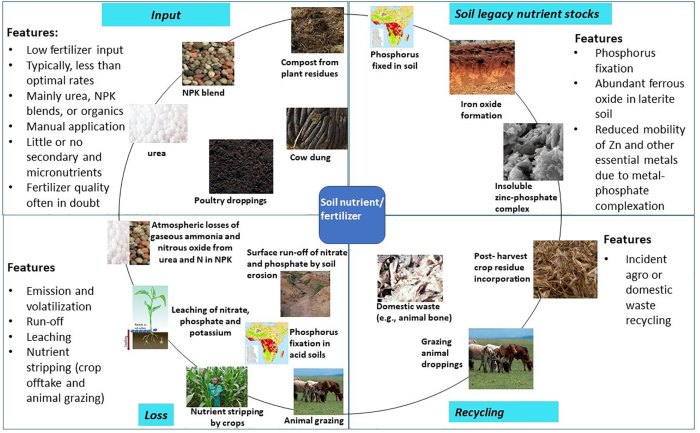
Frontiers | Fertilizers for food and nutrition security in sub-Saharan ...

Fertilizer and pesticide solutions play a crucial role in modern agriculture, providing essential nutrients and protection to crops. These solutions help enhance crop yields and maintain plant health, which is vital for feeding the growing global population. Understanding the various types of fertilizers and pesticides available is essential for farmers and agricultural businesses aiming to optimize their productivity.Fertilizer solutions are substances containing essential nutrients like nitrogen, phosphorus, and potassium, which are vital for plant growth.

Pesticide solutions, on the other hand, are chemicals designed to control pests, weeds, and diseases that can harm crops. The importance of these solutions in agriculture cannot be overstated, as they ensure better productivity, healthier plants, and ultimately, a more sustainable agricultural system.

Types of Fertilizers

There are various types of fertilizers available in the market, each catering to different agricultural needs. The primary categories include organic fertilizers, inorganic fertilizers, and slow-release fertilizers. Understanding the advantages and disadvantages of each type can help farmers make informed decisions about their use.

  • Organic Fertilizers: Derived from natural sources such as compost, manure, and plant materials, organic fertilizers improve soil structure and enhance microbial activity. However, they typically release nutrients more slowly than chemical options.
  • Inorganic Fertilizers: These synthetic fertilizers provide nutrients in a readily available form. They are effective for quick nutrient delivery but may lead to soil degradation if used excessively.
  • Slow-Release Fertilizers: Designed to release nutrients gradually over time, these fertilizers reduce the risk of leaching and nutrient loss. However, they may require higher initial costs.
Type of Fertilizer Nutrient Content Advantages Disadvantages
Organic Varies (NPK from 1-3-1 to 5-10-5) Improves soil health, sustainable Slower nutrient release, potential for pathogens
Inorganic High (NPK typically > 10-10-10) Fast-acting, easy application Environmental risk, potential soil degradation
Slow-Release Varies (typically balanced NPK) Reduces leaching, efficient nutrient use Higher cost, initial application complexity

Types of Pesticides

Category:Tractors in the United States - Wikimedia Commons

Pesticides can be categorized into several types, including insecticides, herbicides, and fungicides, each targeting specific agricultural threats. Understanding the specific uses of each category is essential for effective pest management.

  • Insecticides: Designed to control insect pests that damage crops. Common targets include aphids, beetles, and caterpillars.
  • Herbicides: Used to control unwanted weeds that compete with crops for nutrients and water, thereby maximizing crop yield.
  • Fungicides: These pesticides target fungal diseases affecting plants, such as powdery mildew and blight.
  • Recommended insecticides:
    • Pyrethroids: Effective against a wide range of insects.
    • Neonicotinoids: Target sucking pests like aphids.
  • Recommended herbicides:
    • Glyphosate: Broad-spectrum weed control.
    • 2,4-D: Used for selective weed control in cereals.
  • Recommended fungicides:
    • Chlorothalonil: Provides protection against a variety of fungal diseases.
    • Azoxystrobin: Effective against leaf spots and blights.

Sustainable Practices in Using Fertilizers and Pesticides

Sustainable agriculture emphasizes practices that minimize environmental impact while maintaining productivity. Eco-friendly alternatives to conventional fertilizers and pesticides are gaining traction as they promote soil health and reduce chemical exposure.Implementing eco-friendly practices can significantly reduce chemical runoff and environmental degradation. Techniques such as crop rotation, integrated pest management (IPM), and organic farming enhance sustainability while promoting biodiversity and soil health.

Business Accounting for Agricultural Solutions

Accurate accounting is essential for managing fertilizer and pesticide expenses in agricultural businesses. Proper tracking of costs associated with these solutions allows for better financial planning and budgeting.Typical costs associated with fertilizers and pesticides include purchase prices, application costs, and transport expenses. Farmers can utilize software solutions to streamline the tracking and reporting of these expenses, ensuring they stay on top of their financial management.

Accounting Payroll in Agriculture

Managing payroll is a significant aspect of agricultural operations, especially when utilizing fertilizers and pesticides. An efficient payroll system ensures that labor costs are managed effectively, allowing farmers to maintain profitability.Common payroll expenses related to agricultural operations may include wages for seasonal labor, overtime pay during peak seasons, and benefits for employees. Keeping track of these costs can aid in optimizing the overall budget for agricultural activities.

Business Advertising for Agricultural Products

Effective advertising strategies are critical for promoting fertilizer and pesticide solutions in the agricultural sector. Utilizing a mix of traditional and digital marketing techniques can help businesses reach their target audiences.Successful advertising campaigns often leverage case studies and testimonials from satisfied farmers to build trust and credibility. Social media platforms play a vital role in this advertising strategy, enabling businesses to engage with potential customers and share valuable information about their products.

Business Agriculture Trends

Current trends in the agricultural industry are heavily influenced by technological advancements and sustainability initiatives. The integration of precision agriculture techniques and data analytics is reshaping how fertilizers and pesticides are applied.Future predictions for the agricultural market suggest a continued focus on sustainable practices and the development of bio-based products that minimize environmental impact. Innovations such as drone technology for pesticide application and soil health monitoring systems are expected to become more prevalent.

Business Ethics in Pesticide Use

Ethical considerations surrounding pesticide use are becoming increasingly important in the agriculture industry. Farmers and businesses must adhere to regulations and compliance standards to ensure responsible pesticide application.Case studies of ethical dilemmas faced by agricultural businesses often highlight the balance between pest control and environmental stewardship. Implementing transparent practices and prioritizing consumer safety are essential components of ethical pesticide use.

Human Resources in Agricultural Businesses

Human resource management plays a crucial role in the effective application of fertilizers and pesticides in agriculture. Proper training for employees on safe handling practices is necessary to ensure compliance with safety regulations.Key HR policies for agricultural businesses should focus on safety training, compliance checks, and ongoing education about new agricultural technologies and practices. Creating an environment that prioritizes worker safety fosters a culture of responsibility and care.

Change Management in Agricultural Practices

Change management is vital when adopting new fertilizer and pesticide technologies. Effective communication strategies are necessary to inform agricultural workers about changes in practices and procedures.Evaluating the success of implemented changes can involve collecting feedback from workers and analyzing crop yield data to determine the impact of new technologies. Continuous improvement is essential in adapting to the evolving agricultural landscape.

Entrepreneurialism in Agricultural Solutions

The fertilizer and pesticide industry presents numerous opportunities for entrepreneurship. Innovative business models focusing on sustainable practices and technology integration are emerging.Aspiring agricultural entrepreneurs can explore a range of resources, including industry networks, educational programs, and financial support from agricultural organizations to launch their ventures successfully.

Furnishings and Supplies for Agricultural Operations

Having the right supplies and equipment is essential for effectively using fertilizers and pesticides in agricultural operations. Quality supplies ensure optimal application and maximize crop yield.A checklist of essential supplies for agricultural businesses may include:

  • Application equipment such as sprayers and spreaders
  • Protective gear for workers handling chemicals
  • Storage facilities for safe chemical containment
  • Testing kits for soil and plant health

Outcome Summary

In conclusion, navigating the complexities of fertilizer and pesticide solutions is crucial for anyone involved in agriculture. By leveraging the right products and practices, we can not only improve crop yields but also contribute to a more sustainable food system.

Essential FAQs

What are the primary benefits of using fertilizers?

Fertilizers enhance soil nutrient levels, leading to improved crop growth, higher yields, and better quality produce.

How do pesticides work to protect crops?

Pesticides target and eliminate pests that can harm crops, helping to prevent significant agricultural losses.

Are organic fertilizers as effective as synthetic ones?

While organic fertilizers enhance soil health over time, synthetic options often provide quicker nutrient availability for immediate crop needs.

What are some eco-friendly alternatives to chemical pesticides?

Natural insect repellents, companion planting, and introducing beneficial organisms can serve as effective alternatives to chemical pesticides.

How can farmers reduce chemical runoff when using fertilizers?

Implementing targeted application techniques, maintaining proper soil health, and using buffer zones can significantly reduce chemical runoff.

Sustainable agriculture trends shaping our future

SUSTAINABLE COMMUNITIES: Protection is the Common Denominator Required ...

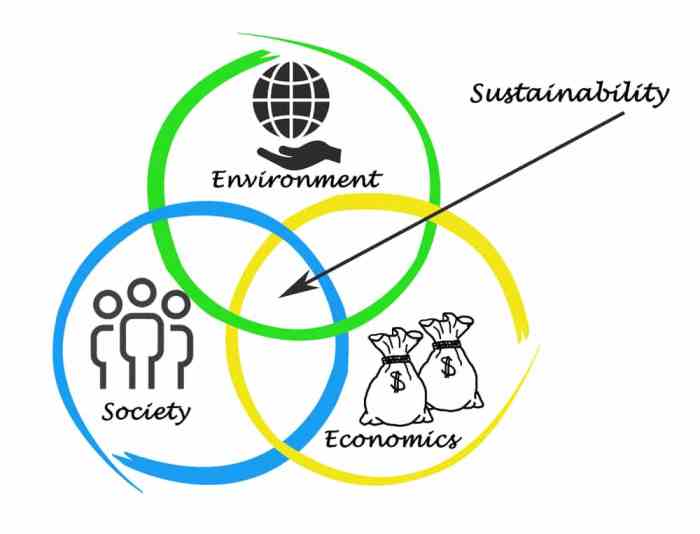
Sustainable agriculture trends are revolutionizing the way we produce food, ensuring that our practices meet the needs of the present while safeguarding the future of our planet. As global awareness of environmental issues grows, farmers and consumers alike are increasingly turning to practices that promote ecological balance, economic viability, and social responsibility.

This shift includes a variety of innovative methods from regenerative farming to the integration of cutting-edge technology in agricultural processes. By exploring these trends, we can gain insight into how sustainable agriculture is not only beneficial for the environment but also essential for the continued success of the agricultural sector.

Introduction to Sustainable Agriculture Trends

Sustainable agriculture is more critical than ever in the face of climate change, population growth, and the depletion of natural resources. This approach not only addresses the need for food security but also promotes environmental health, social equity, and economic viability. As we delve into the various sustainable agriculture practices being implemented globally, it’s essential to recognize the role of technology in enhancing these trends.

Importance of Sustainable Agriculture

Sustainable agriculture emphasizes the efficient use of resources to meet current food demands without compromising the ability of future generations to meet theirs. It encompasses a wide range of practices, including organic farming, agroforestry, and permaculture. These methods help in preserving biodiversity, improving soil health, and reducing dependence on synthetic chemicals.

Types of Sustainable Agriculture Practices

Across the globe, various sustainable agriculture practices are gaining traction. These include:

  • Organic Farming: Avoiding synthetic fertilizers and pesticides to promote ecological balance.
  • Agroecology: Integrating ecological principles into agricultural practices to enhance productivity sustainably.
  • Regenerative Agriculture: Focusing on restoring soil health and increasing biodiversity.
  • Permaculture: Designing agricultural systems that mimic natural ecosystems, promoting sustainability.

Role of Technology in Sustainable Agriculture

Technological advancements play a significant role in promoting sustainable agriculture trends. Innovations such as precision farming, drone technology, and biotechnology enhance crop yields while minimizing environmental impacts. Data analytics and IoT (Internet of Things) enable farmers to monitor soil health, weather patterns, and crop conditions, leading to informed decision-making and resource optimization.

Current Trends in Sustainable Agriculture

The landscape of sustainable agriculture is continually evolving, with several trends shaping its future. These trends reflect the growing awareness of environmental issues and the need for sustainable practices in farming.

Top Trends Shaping Sustainable Agriculture

Several key trends are currently influencing sustainable agriculture:

  • Plant-Based Diets: A shift towards plant-based eating is driving demand for sustainable farming practices.
  • Local Sourcing: Consumers are increasingly seeking locally sourced products, reducing carbon footprints associated with transportation.
  • Climate-Resilient Crops: Breeding and selecting crops that can withstand extreme weather conditions are becoming a priority.

Successful Sustainable Farms and Practices

There are numerous successful sustainable farms worldwide that serve as models for others. For instance, Polyface Farm in Virginia employs rotational grazing to improve soil quality while raising livestock ethically. Another example is the Rodale Institute, which has pioneered organic farming research and education.

Consumer Demand for Sustainably Sourced Products

The demand for sustainably sourced agricultural products is on the rise. Consumers are increasingly aware of the environmental and social implications of their food choices, leading to a preference for products that are ethically produced and environmentally friendly. This trend is driving businesses to adopt more sustainable practices to attract conscious consumers.

The Impact of Sustainable Agriculture on Business Accounting

As sustainable agriculture grows, its impact on business accounting in the agricultural sector becomes more pronounced. The integration of sustainability into financial reporting is essential for transparency and accountability.

Financial Reporting in the Agricultural Sector

Sustainable agriculture affects financial reporting by requiring farms to disclose their environmental impact and sustainability initiatives. This transparency builds trust with consumers and stakeholders, potentially leading to increased investment and market opportunities.

Role of Sustainability in Cost Accounting Practices

Urban Settlements - THE GEOGRAPHER ONLINE

Cost accounting practices are evolving to incorporate sustainability metrics. This includes evaluating the costs associated with sustainable practices, such as organic certification or energy-efficient technologies. Farms are learning to assess both direct and indirect costs related to sustainability.

Methods for Accounting Environmental Impact

To account for environmental impacts, agricultural businesses are adopting various methods, including:

  • Life Cycle Assessment (LCA): Evaluating the environmental impact of products from cradle to grave.
  • Carbon Footprinting: Measuring the greenhouse gas emissions associated with farming practices.
  • Sustainability Reporting: Providing stakeholders with detailed reports on sustainability initiatives and achievements.

Payroll Considerations in Sustainable Agriculture

Fair wages and benefits play a crucial role in the sustainability of agricultural practices. Sustainable farming not only focuses on environmental factors but also on the wellbeing of the workforce.

Importance of Fair Wages and Benefits

In sustainable agriculture, providing fair wages and benefits is essential for attracting and retaining skilled labor. This commitment fosters a motivated workforce that is dedicated to sustainable practices and contributes to the overall success of the farm.

Structuring Payroll for Seasonal Workers

Seasonal agricultural workers are vital for many farms. Structuring payroll to accommodate their needs includes offering flexible pay schedules and ensuring compliance with labor regulations. Implementing clear contracts can also help set expectations and maintain a positive employer-employee relationship.

Compliance with Labor Laws and Regulations

Navigating labor laws and regulations is crucial for sustainable agriculture businesses. Understanding minimum wage, overtime laws, and worker rights ensures that farms operate within legal boundaries while promoting ethical practices.

Advertising Strategies for Sustainable Agriculture

Marketing sustainable agricultural products requires strategic planning to effectively reach environmentally conscious consumers.

Marketing Plan for Sustainable Agricultural Products

Creating a marketing plan focused on promoting sustainable products involves highlighting their environmental and health benefits. Engaging storytelling that connects consumers to the farm’s mission can enhance brand loyalty.

Effective Advertising Methods

Successful advertising methods for reaching environmentally conscious consumers include:

  • Social Media Campaigns: Utilizing platforms like Instagram and Facebook to showcase farming practices and engage with consumers.
  • Influencer Partnerships: Collaborating with eco-conscious influencers to reach broader audiences.
  • Content Marketing: Creating informative and engaging content about sustainability practices and their benefits.

Branding Strategies Highlighting Sustainability

Branding strategies that emphasize sustainability can differentiate agricultural products in a crowded market. Clear messaging around ethical practices and environmental responsibility can resonate well with consumers seeking sustainable options.

Career Opportunities in Sustainable Agriculture

SUSTAINABLE COMMUNITIES: Protection is the Common Denominator Required ...

The field of sustainable agriculture offers diverse career opportunities for individuals passionate about food systems and environmental stewardship.

Various Career Paths

Career paths in sustainable agriculture include:

  • Agricultural Scientist: Conducting research to improve crop yields and sustainability.
  • Farm Manager: Overseeing operations to implement sustainable practices on farms.
  • Food Policy Analyst: Analyzing and advocating for policies that promote sustainable food systems.

Skills and Education Needed

To succeed in sustainable agriculture, individuals should acquire skills in:

  • Environmental Science: Understanding ecological concepts and their application in farming.
  • Business Management: Learning about farm operations and financial management.
  • Communication: Effectively conveying the importance of sustainability to diverse audiences.

Job Market Trends and Demands

The job market for sustainable agriculture is growing, driven by increasing consumer demand for sustainably produced food. As more farms adopt sustainable practices, the need for skilled professionals in this field continues to rise.

Change Management in Sustainable Agriculture

Implementing change within traditional agricultural practices can be challenging but is essential for transitioning to sustainable methods.

Strategies for Implementing Change

Strategies for successfully implementing change in farming practices include:

  • Education and Training: Providing resources and training for farmers to understand sustainable practices.
  • Incentives: Offering financial incentives for adopting sustainable technologies or practices.

Overcoming Resistance to Sustainable Practices

Resistance to adopting sustainable practices can stem from various factors, including financial concerns and lack of knowledge. Addressing these issues through community engagement and support networks is vital for overcoming obstacles.

Importance of Stakeholder Engagement

Engaging stakeholders, including farmers, consumers, and policymakers, is crucial for successful change initiatives. Building a collaborative environment fosters trust and encourages a collective commitment to sustainable agriculture.

Construction Industry Trends Related to Sustainable Agriculture

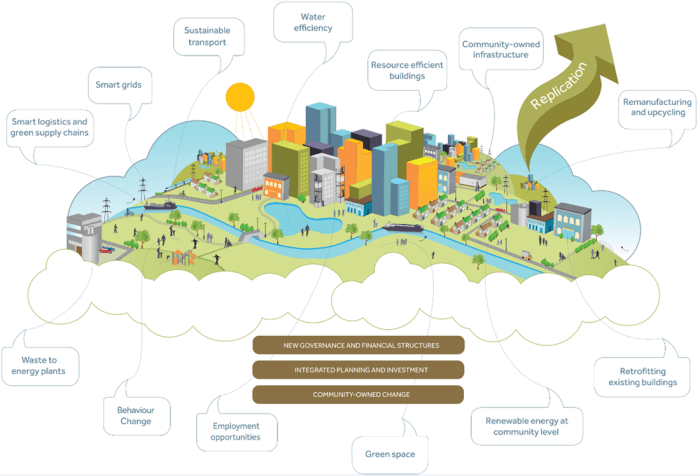
Sustainable building practices in agricultural facilities are gaining importance as farms recognize the benefits of constructing eco-friendly structures.

Sustainable Building Practices in Agricultural Facilities

Sustainable building practices involve using materials and designs that minimize environmental impact. Features such as solar panels, rainwater harvesting systems, and energy-efficient designs contribute to sustainable farming operations.

Role of Infrastructure in Supporting Sustainable Farming

Infrastructure plays a critical role in supporting sustainable farming operations. Facilities designed with sustainability in mind can improve efficiency and reduce operational costs.

Innovative Agricultural Construction Projects

Examples of innovative agricultural construction projects include vertical farms that utilize hydroponic systems to grow crops in urban environments. These projects showcase the potential of sustainable practices in addressing food security challenges.

Business Consulting for Sustainable Agriculture

Consulting services are increasingly vital in helping farms adopt sustainable practices, offering expertise and guidance tailored to individual needs.

How Consulting Services Assist Farms

Consultants provide farms with tailored strategies for implementing sustainable practices, including assessments of current operations, recommendations for improvement, and tools for measuring sustainability efforts.

Importance of Strategic Planning

Strategic planning is essential for integrating sustainability into agricultural operations. This involves setting clear goals, assessing resources, and developing actionable plans that align with long-term sustainability objectives.

Case Studies of Successful Consulting Interventions

Case studies highlighting successful consulting interventions demonstrate the positive impact of expert guidance. Farms that have implemented consultant recommendations often see improved productivity and enhanced sustainability metrics.

Ethical Considerations in Sustainable Agriculture

Sustainable agriculture fundamentally involves ethical considerations that extend beyond environmental practices to encompass social and economic dimensions.

Ethical Implications of Sustainable Agriculture

The ethical implications of sustainable agriculture include promoting fairness, equity, and justice within food systems. This includes ensuring that all stakeholders, including workers and consumers, benefit from sustainable practices.

Importance of Animal Welfare

Animal welfare is a critical aspect of sustainable farming. Ethical treatment of livestock is essential for maintaining healthy ecosystems and ensuring the humane treatment of animals.

Role of Corporate Social Responsibility

Corporate social responsibility (CSR) plays a significant role in agricultural businesses. Companies that prioritize sustainability and ethical practices can enhance their reputation and consumer trust, leading to long-term success.

Human Resources Practices in Sustainable Agriculture

Effective human resources strategies are essential for recruiting, retaining, and developing talent in the sustainable agriculture sector.

Effective HR Strategies for Recruiting

Recruiting in the sustainable agriculture sector requires a focus on individuals who share the farm’s sustainability values. Highlighting the farm’s commitment to sustainability in job postings can attract like-minded candidates.

Best Practices for Employee Retention

To retain employees in sustainable agriculture, organizations should foster a positive workplace culture that emphasizes sustainability values. Offering career development opportunities and recognizing employee contributions can enhance retention.

Importance of Training and Development

Investing in training and development is vital for equipping employees with the necessary skills for sustainable practices. Continuous learning opportunities ensure that the workforce remains knowledgeable about best practices and innovations in sustainable agriculture.

The Role of Furnishings and Supplies in Sustainable Agriculture

Sourcing sustainable agricultural supplies and furnishings is vital for minimizing environmental impact and promoting eco-friendly practices.

Sustainable Sourcing of Agricultural Supplies

Sustainable sourcing involves selecting materials and products that are environmentally friendly and ethically produced. This can include organic seeds, biodegradable fertilizers, and eco-friendly packaging solutions.

Environmental Impact of Conventional vs. Sustainable Materials

Comparing the environmental impact of conventional materials with sustainable alternatives highlights the benefits of choosing eco-friendly options. Sustainable materials often result in lower carbon emissions, reduced waste, and less harm to ecosystems.

Innovative Sustainable Products Used in Agriculture

Examples of innovative sustainable products in agriculture include compostable planting pots and biodegradable mulch films. These products contribute to reducing waste and enhancing soil health.

Conclusion

In summary, embracing sustainable agriculture trends is crucial for the health of our planet and future generations. As we witness the rise of eco-friendly practices and consumer demands for sustainable products, it’s clear that the agricultural landscape is undergoing a transformative shift. By prioritizing sustainability, we can create a resilient food system that meets the needs of all stakeholders and supports a thriving agricultural economy.

Popular Questions

What is sustainable agriculture?

Sustainable agriculture is a method of farming that focuses on producing food while maintaining ecological balance, conserving resources, and promoting social equity.

How does technology impact sustainable agriculture?

Technology enhances sustainable agriculture by improving efficiency, reducing waste, and enabling better resource management through data analysis and precision farming techniques.

What are some examples of sustainable agriculture practices?

Examples include crop rotation, organic farming, agroforestry, and the use of renewable energy sources in agricultural operations.

Why is consumer demand important in sustainable agriculture?

Consumer demand drives farmers to adopt sustainable practices, as customers increasingly seek products that are environmentally friendly and ethically produced.

What career opportunities exist in sustainable agriculture?

Career paths include sustainable farming, agricultural consulting, environmental policy-making, and roles in research and development focused on sustainable practices.

Programmatic advertising tools for effective marketing

Top Programmatic Advertising Tools to Improve Brands

Programmatic advertising tools have revolutionized how businesses approach digital marketing, allowing for automated ad buying and optimized targeting that was once unimaginable. These tools leverage data and technology to enhance user engagement and streamline advertising efforts, making them essential in today’s fast-paced market.

With the evolution of advertising tools, companies can now access a wide array of functionalities that provide insights into audience behavior, drive efficiency, and ultimately, improve return on investment. Understanding the landscape of programmatic advertising is crucial for marketers aiming to stay competitive and maximize their advertising budgets.

Introduction to Programmatic Advertising Tools

Programmatic advertising has revolutionized the way businesses approach digital marketing. It leverages technology to automate the buying and selling of online advertising space, making it more efficient and effective. In a landscape where consumer attention is fragmented across various platforms, programmatic advertising tools play a crucial role in helping advertisers reach their target audiences precisely when and where they are most engaged.The evolution of advertising tools has profoundly impacted businesses, transitioning from traditional manual processes to sophisticated automated systems.

This shift has enabled marketers to optimize their ad spend and gain real-time insights into campaign performance. Effective programmatic advertising tools possess key features such as precise targeting options, real-time bidding capabilities, and comprehensive analytics that support informed decision-making.

Types of Programmatic Advertising Tools

Programmatic advertising tools can be categorized into several types, each serving unique functions within the digital marketing ecosystem. The primary categories include Demand-Side Platforms (DSPs), Supply-Side Platforms (SSPs), and ad exchanges, each playing a vital role in the ad buying and selling process.

  • Demand-Side Platforms (DSPs): These platforms allow advertisers to purchase ad inventory in an automated fashion, utilizing data to target specific audiences effectively.
  • Supply-Side Platforms (SSPs): SSPs enable publishers to manage and sell their ad space more efficiently, ensuring they receive the best possible price for their inventory.
  • Ad Exchanges: Ad exchanges serve as marketplaces where advertisers and publishers can buy and sell ad space, offering transparency and competitive pricing.

Data Management Platforms (DMPs) play a pivotal role in enhancing the effectiveness of programmatic advertising. They collect and analyze large volumes of data from various sources, enabling advertisers to create highly targeted audience segments and improve ad performance.

Benefits of Using Programmatic Advertising Tools

The advantages of programmatic advertising extend far beyond automated ad buying. These tools enable businesses to achieve greater targeting precision, enhanced reach, and improved return on investment (ROI).

  • Advanced Targeting: Programmatic advertising allows advertisers to target specific demographics, interests, and behaviors, ensuring that their ads reach the most relevant audiences.
  • Cost Efficiency: With real-time bidding and data-driven decision-making, businesses can optimize their ad spend, reducing wasted costs associated with traditional advertising methods.
  • Improved ROI: By leveraging detailed analytics and performance metrics, advertisers can continuously refine their campaigns, leading to better overall results.

Implementing Programmatic Advertising Tools

Best Programmatic Advertising Tools to Use in Digital Marketing

For businesses looking to integrate programmatic advertising into their marketing strategy, a structured approach is essential. The following step-by-step guide Artikels the implementation process.

  1. Assess Audience Data: Understanding who your target audience is and gathering relevant data is crucial for effective programmatic advertising.
  2. Select the Right Tools: Choose the appropriate DSPs, SSPs, or ad exchanges that align with your business goals and target audience.
  3. Integrate with Existing Campaigns: Seamlessly incorporate programmatic advertising tools into your current marketing campaigns for a cohesive strategy.

Challenges in Programmatic Advertising

While programmatic advertising offers numerous benefits, it also presents challenges that businesses need to navigate. Common issues include:

  • Privacy Concerns: With increasing scrutiny on data privacy, marketers must ensure compliance with regulations such as GDPR and CCPA.
  • Technical Hurdles: Integrating new technology can pose challenges, especially for businesses lacking technical expertise.
  • Operational Issues: Understanding and managing the complexities of programmatic advertising requires ongoing learning and adaptation.

Future Trends in Programmatic Advertising

The future of programmatic advertising is poised for significant transformation, driven by emerging technologies.

  • Artificial Intelligence: AI will continue to enhance targeting capabilities, optimizing ad placements through predictive analytics.
  • Machine Learning: These technologies will allow for more sophisticated data analysis, improving campaign performance over time.
  • Blockchain Technology: Blockchain is expected to enhance transparency and security in programmatic transactions, addressing fraud concerns.

Programmatic Advertising and Business Accounting

The financial implications of programmatic advertising tools are substantial. They can streamline business accounting by automating tracking and reporting processes.

  • Efficient Reporting: Automating financial reporting can save time and reduce errors associated with manual processes.
  • Budget Management: Programmatic tools facilitate real-time budget tracking, enabling businesses to make informed financial decisions.
  • Advertising Spend Impact: Understanding the return on ad spend (ROAS) is vital for assessing overall business financial health.

Programmatic Advertising and Human Resources

Top Programmatic Advertising Tools to Improve Brands

Programmatic advertising tools can also be leveraged in the realm of human resources, particularly in recruitment efforts.

  • Targeted Recruitment Advertising: Using programmatic tools, HR departments can target specific demographics for job postings, enhancing the quality of applicants.
  • Employer Branding: Strategic use of programmatic advertising can strengthen employer branding campaigns, attracting top talent.
  • Talent Acquisition Strategies: HR teams can utilize data-driven insights to refine their talent acquisition strategies.

Programmatic Advertising and Customer Service

Enhancing customer service through targeted programmatic campaigns is increasingly relevant.

  • Targeted Customer Engagement: Utilizing programmatic advertising can facilitate more personalized interactions with customers.
  • Successful Strategies: Campaigns that use customer feedback effectively lead to improved service quality and customer satisfaction.
  • Feedback Loops: Incorporating customer feedback into advertising strategies is essential for continuous improvement.

Programmatic Advertising in Agriculture

The agricultural sector has begun to adopt programmatic advertising tools to improve marketing strategies.

  • Advertising Strategies: Effective advertising strategies for agricultural products include targeting specific audiences interested in farming and related services.
  • Case Studies: Successful campaigns in agriculture demonstrate the potential of programmatic tools to increase product visibility.

Architectural and Interior Design Marketing through Programmatic Advertising

Architectural and design firms can benefit from programmatic advertising by employing tailored marketing strategies.

  • Promoting Services: Programmatic tools can effectively promote architectural and design services to targeted demographics.
  • Targeting Techniques: Utilizing demographic insights allows firms to reach potential clients interested in design.
  • Measuring Effectiveness: It’s crucial to measure the impact of advertising campaigns to refine future efforts.

Programmatic Advertising for Business Branding

Building a strong brand identity through programmatic advertising is essential for businesses.

  • Integrating Branding Efforts: Comprehensive strategies that incorporate programmatic advertising can strengthen overall branding.
  • Successful Campaigns: Examples of effective branding campaigns using programmatic tools highlight their value in creating brand awareness.

Programmatic Advertising in Travel Industry

The travel sector faces unique challenges and opportunities in programmatic advertising.

  • Real-Time Data: Utilizing real-time data can enhance the effectiveness of travel advertising campaigns.
  • Successful Campaigns: Highlighting successful programmatic campaigns in the travel industry provides valuable insights.

Change Management and Programmatic Advertising

Integrating new advertising tools necessitates effective change management strategies.

  • Importance of Change Management: Understanding the need for change is vital for successful implementation of programmatic advertising.
  • Framework for Transition: A clear framework can assist businesses in managing the transition to programmatic systems.
  • Success Stories: Sharing case studies of businesses that successfully navigated these changes can provide guidance.

Entrepreneurialism and Programmatic Advertising Tools

Startups can leverage programmatic advertising tools to gain a competitive edge.

  • Benefits for Startups: Programmatic advertising can help startups maximize their limited resources while reaching targeted audiences efficiently.
  • Resource Allocation Strategies: Effective allocation of resources towards programmatic advertising can drive growth and visibility.
  • Success Examples: Highlighting entrepreneurial ventures that have effectively utilized these tools can inspire others.

Conclusion

In summary, programmatic advertising tools not only improve the effectiveness of marketing campaigns but also facilitate a deeper understanding of customer needs and preferences. As technology continues to advance, staying informed about these tools will be vital for businesses looking to thrive in the digital landscape and harness the full potential of targeted advertising strategies.

FAQ Section

What are programmatic advertising tools?

Programmatic advertising tools are software solutions that automate the buying and selling of ad inventory in real-time, optimizing the ad placement process and targeting capabilities.

How do programmatic advertising tools work?

These tools use algorithms and data analysis to purchase ad space across various platforms, ensuring that the right ads reach the right audiences at the right times.

What are the main benefits of using programmatic advertising tools?

They enhance targeting accuracy, improve cost efficiency, increase ROI, and allow for real-time adjustments to campaigns based on performance data.

Are there any challenges associated with programmatic advertising tools?

Yes, common challenges include privacy concerns, data compliance issues, and the complexity of managing multiple platforms and technologies.

Can small businesses benefit from programmatic advertising tools?

Absolutely! Small businesses can leverage these tools to compete with larger firms by optimizing their ad spend and targeting specific audiences effectively.

Cloud payroll platform transforming modern business

Cloud-Based Payroll Software

Cloud payroll platform is revolutionizing the way businesses manage their payroll processes, introducing efficiency and flexibility that traditional systems simply can’t match. As companies increasingly shift to digital solutions, understanding the benefits and features of cloud payroll becomes essential for staying competitive.

This innovative approach not only simplifies payroll management but also enhances integration with accounting and HR systems, making it a crucial tool for modern organizations. From improved compliance to streamlined operations, cloud payroll platforms offer a comprehensive solution that can adapt to the unique needs of various industries.

Introduction to Cloud Payroll Platforms

Cloud payroll platforms represent a modern solution for managing payroll processes through internet-based systems. In today’s fast-paced business environment, these platforms are significant as they offer flexibility, accessibility, and real-time updates, which traditional payroll methods struggle to provide. By leveraging cloud technology, businesses can streamline their payroll operations, ensuring accuracy and compliance while saving valuable time.The advantages of using cloud solutions for payroll management are numerous.

First, they allow for automatic updates to tax laws and regulations, which reduces the risk of compliance issues. Additionally, cloud payroll systems often come with user-friendly interfaces that make it easy for employees to access their pay information and for HR departments to manage payroll efficiently. Key features that distinguish cloud payroll platforms from traditional systems include automated reporting, mobile access, and integration capabilities with other business applications.

Business Accounting and Cloud Payroll Integration

The top 8 benefits of using cloud-based payroll software | Remote

Integrating cloud payroll platforms with business accounting processes can significantly streamline operations. This integration allows for seamless data transfer between payroll and accounting software, reducing manual entry and the potential for errors. For instance, popular payroll solutions like Gusto and QuickBooks Payroll offer robust integrations that help businesses maintain accurate financial records.The impact of automated payroll calculations on financial accuracy cannot be overstated.

By automating these processes, businesses ensure that payroll calculations are precise, timely, and in compliance with current regulations, thereby enhancing overall financial integrity.

Human Resources and Employee Management

HR departments greatly benefit from implementing cloud payroll platforms, as these systems simplify the management of employee records and compliance issues. With features that centralize data storage, HR teams can easily track employee information, benefits, and tax withholdings. When comparing traditional payroll methods to cloud-based HR management tools, it’s clear that the latter provides greater efficiency and reliability. Cloud-based systems allow for real-time updates and access, which is vital for managing a diverse workforce effectively.

Payroll in Business Advertising

For advertising agencies, cloud payroll platforms have significant implications. These solutions address unique payroll challenges, such as fluctuating project budgets and diverse payment schedules for freelancers and contractors. Some specific payroll challenges that cloud solutions can effectively resolve include:

  • Managing multiple payment structures for different types of employees.
  • Ensuring compliance with various labor laws across different locations.
  • Integrating payroll data with project management tools to inform budgeting and resource allocation for advertising campaigns.

Industry-Specific Applications: Agriculture

Cloud payroll platforms provide unique benefits to agricultural businesses, particularly in managing complex payroll scenarios associated with seasonal labor. For instance, farmers can easily adjust payroll based on the labor demands of different seasons, ensuring that workers are compensated accurately.Examples of payroll complexities in the agriculture sector include:

  • Managing varying pay rates for seasonal workers versus permanent staff.
  • Tracking hours worked during busy planting and harvesting seasons.

Cloud solutions offer streamlined processes for these challenges, enhancing overall efficiency in labor management.

Architecture and Interior Design Payroll Solutions

Architecture and interior design firms have unique payroll needs that can be effectively addressed by cloud payroll systems. These firms often operate on project-based billing, requiring precise tracking of employee hours and project costs.Cloud payroll can enhance project-based billing through features that allow for:

  • Tracking time spent on different projects.
  • Automated invoicing based on billable hours.

The impact of payroll on cash flow in design firms is also significant, as timely payments can influence project timelines and client satisfaction.

Business Branding and Payroll System Alignment

Payroll transparency plays a crucial role in enhancing a company’s brand reputation. By aligning payroll practices with overall business branding strategies, organizations can build trust and improve employee satisfaction. Businesses can align their payroll practices by:

  • Ensuring fair pay practices that reflect company values.
  • Communicating payroll policies clearly to employees.

Case studies of brands that improved their image through effective payroll management demonstrate the tangible benefits of this alignment.

Business Travel and Payroll Tracking

Cloud payroll platforms assist businesses in managing travel-related expenses efficiently. By integrating payroll with travel and expense management systems, companies can streamline reimbursement processes for employees.Methods for integrating payroll with travel systems include:

  • Using mobile applications for expense tracking.
  • Linking travel bookings with payroll systems for automatic reimbursement calculations.

The implications of payroll on employee reimbursements during travel highlight the need for accurate tracking and timely payments.

Change Management in Payroll Systems

Implementing a cloud payroll platform requires effective change management strategies to ensure a smooth transition. Organizations may face challenges such as resistance from employees accustomed to traditional systems.A step-by-step guide for effective change management in payroll systems includes:

  • Conducting training sessions for staff.
  • Communicating the benefits of the new system clearly.

Anticipating challenges can lead to a more successful implementation process.

Construction Industry Payroll Management

The construction industry faces specific payroll challenges, such as compliance with labor laws and managing a varied workforce. Cloud payroll platforms can improve compliance by ensuring that all payroll practices meet current regulations.Features particularly beneficial for construction payroll management include:

  • Tools for tracking hours worked on different job sites.
  • Customizable reporting options for subcontractors and employees.

These features enhance overall payroll accuracy and compliance in the construction sector.

Entrepreneurialism and Payroll Flexibility

Startups and entrepreneurs require flexible payroll options that can adapt to their evolving business needs. Cloud payroll platforms offer scalable solutions that grow with the business.Examples of entrepreneurial businesses successfully utilizing cloud payroll include modern tech startups and agile marketing firms that benefit from real-time payroll processing and reporting capabilities.

Business Ethics in Payroll Practices

Ethical considerations in payroll management are critical for maintaining employee trust and satisfaction. Cloud payroll can enhance transparency and accountability by automating processes and providing clear records.Examples of ethical dilemmas related to payroll include misclassification of employees and failure to comply with wage laws. Cloud solutions can help resolve these issues by ensuring accurate tracking and reporting.

Franchising and Payroll Consistency

Cloud payroll platforms provide consistent payroll solutions across franchises, ensuring that all locations comply with local labor laws. Methods to ensure compliance include:

  • Standardizing payroll practices across all franchise locations.
  • Using centralized systems to monitor compliance.

Tools that support multi-location payroll management in franchising can help maintain consistency and accuracy.

Customer Service and Payroll Support

Cloud-Based Payroll Software

In the context of payroll platforms, customer service is paramount. Effective support services play a vital role in resolving payroll-related issues and ensuring smooth operations.Examples of effective customer service practices in payroll solutions include:

  • Responsive support teams available through multiple channels.
  • Comprehensive FAQs and documentation to assist users.

By prioritizing customer service, payroll platforms can enhance user satisfaction and operational efficiency.

Industrial Mechanical Sector’s Payroll Needs

The industrial mechanical sector has unique payroll requirements, including managing specialized labor and compliance with industry regulations. Cloud payroll solutions offer benefits such as:

  • Automated tracking of hours for specialized workers.
  • Custom reporting features for labor costs and compliance audits.

These features cater specifically to the needs of industrial workers, enhancing overall efficiency in payroll management.

Epilogue

In conclusion, embracing a cloud payroll platform is not just a trend, but a strategic move for businesses aiming to optimize their payroll and human resource operations. With its ability to enhance accuracy, ensure compliance, and provide valuable insights, the future of payroll management is undoubtedly in the cloud.

Essential Questionnaire

What is a cloud payroll platform?

A cloud payroll platform is a digital solution that allows businesses to manage payroll processes online, offering features like automated calculations and integration with accounting systems.

How does cloud payroll improve compliance?

Cloud payroll platforms automatically update to adhere to changing labor laws, ensuring that payroll practices remain compliant without manual intervention.

Can small businesses benefit from cloud payroll solutions?

Yes, small businesses can streamline their payroll processes, reduce errors, and save time using cloud payroll solutions that are often more affordable than traditional systems.

What industries can benefit from using cloud payroll?

Industries such as agriculture, construction, and advertising can significantly benefit from cloud payroll, as these sectors often face unique payroll challenges that cloud solutions can effectively address.

Is training required to use a cloud payroll platform?

While some training may be beneficial, most cloud payroll platforms are designed to be user-friendly, allowing users to efficiently navigate the system with minimal guidance.